Traducir o perder pie
By Corinna Gepner
IN SPANISH
Publisher: EME (Argentina)
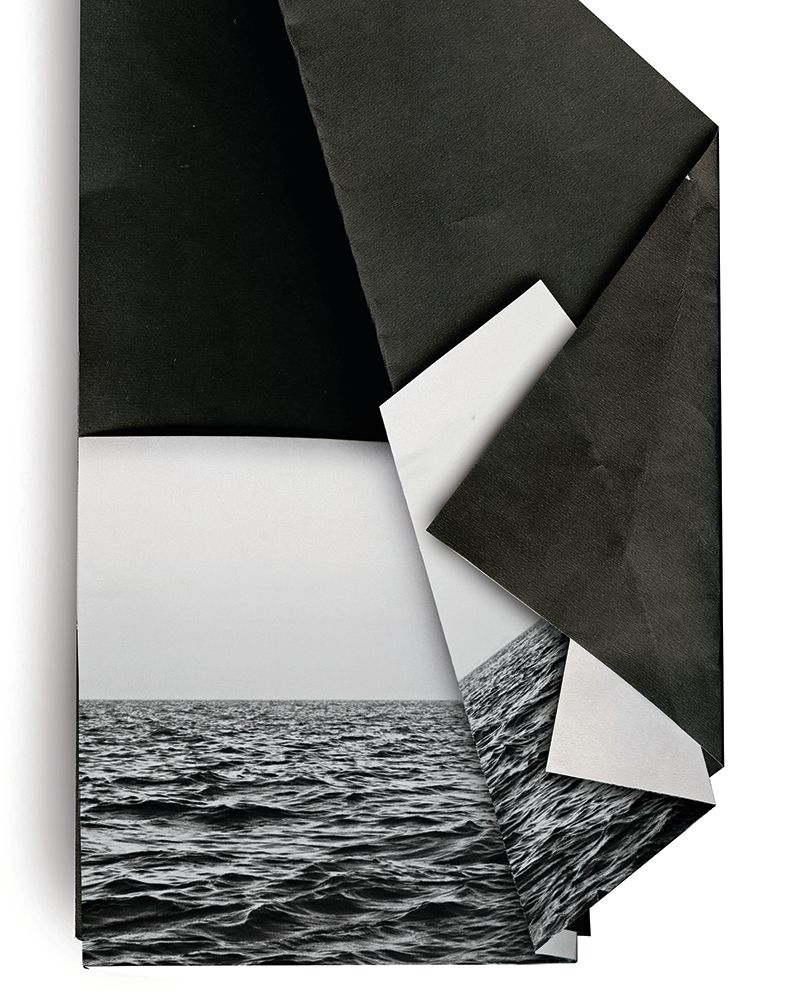
An essay on translation as a work of intimacy and exploration, this piece is written by the first French speaker in a family whose history is intertwined with cities that served as crossroads for those fleeing the Second World War, between Germany, Poland, and France. Corinna Gepner unfolds a patchwork notebook, revealing what the act of translating can do to memory and to life. Between French and German, translating is to provoke a chain of tremors: to bring forth the echoes of a war she did not witness but which marked her grandparents' history—their escapes, their absences, their gambles—and to shatter the very ground that sustains her French, a language without roots.
In reflecting on her translation work, Corinna constructs a precarious framework on which to support her desire to touch others, to brush against their indelible and opaque image. The displacement between languages keeps the writing afloat, and with a delicate gesture, she raises from the sunken memory her fragile narrative, the stratum where language is made of affection and gaps.
![No escribir [con Roland Barthes] - Paloma Vidal](https://d2j6dbq0eux0bg.cloudfront.net/images/11829445/5464112667.webp "No escribir [con Roland Barthes] - Paloma Vidal")